Beekeeping by Peter Somers
21 articles on varroa management, winter survival, swarm behavior, honey harvesting, and the art of keeping bees in Utah.
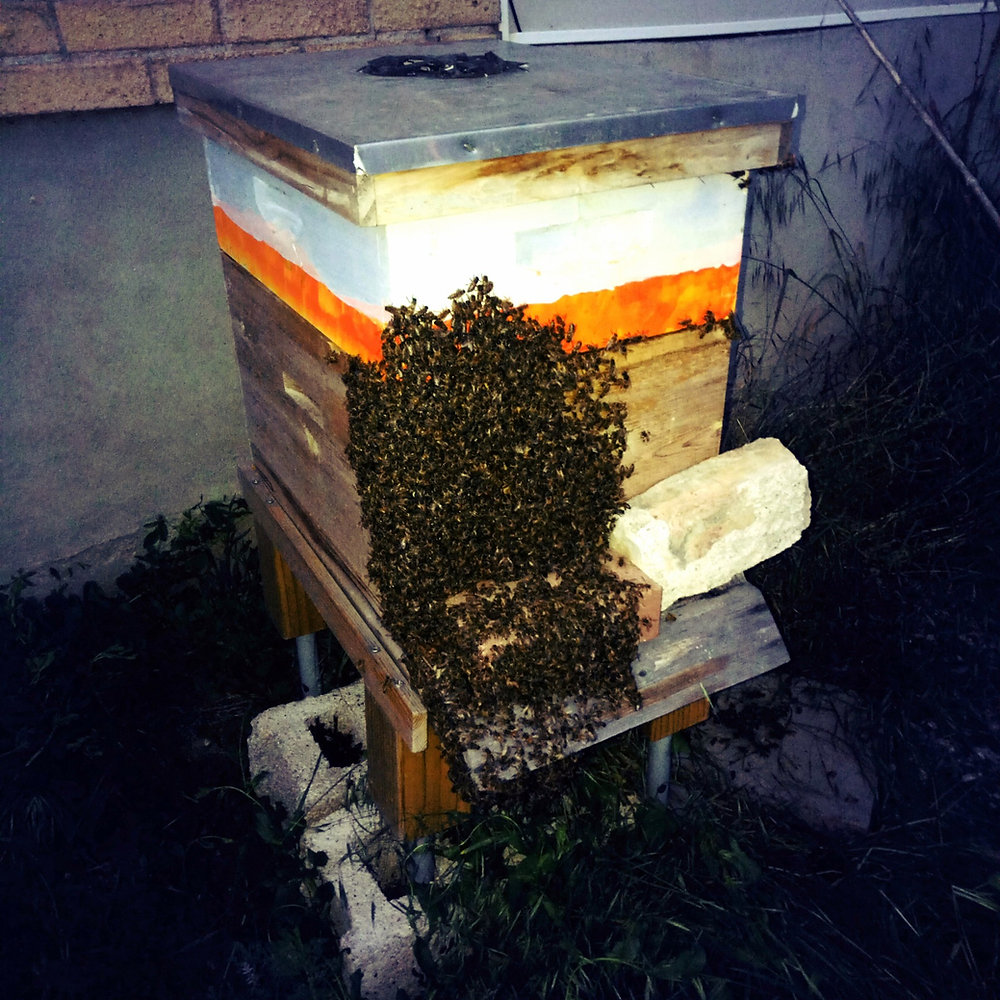
Summer Management: Bearding and Backfilling
Dried out linden blossoms mark the end of the nectar flow for most the valley. Bees only store about a two-week supply of pollen, so a decline in jelly production soon follows. The queen is fed less s
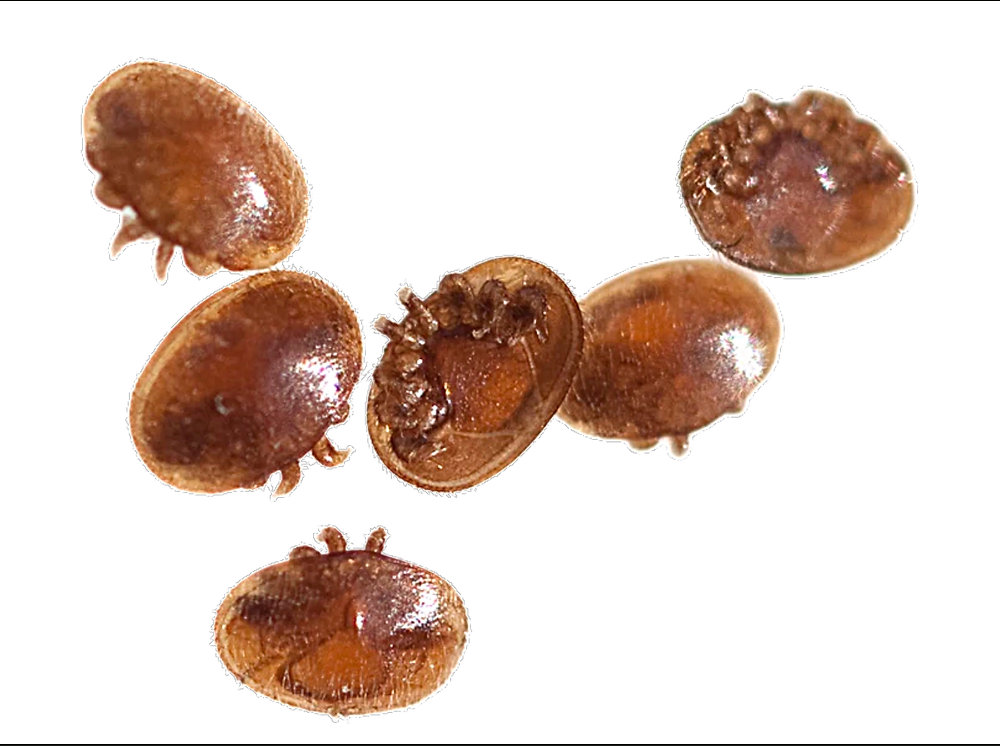
Springtime Treatment Thresholds
One of the mistakes I most enjoy repeating is the failure to adequately reduce mite loads coming out of winter. It makes for a flat year of honey production and a dead colony before the second winter
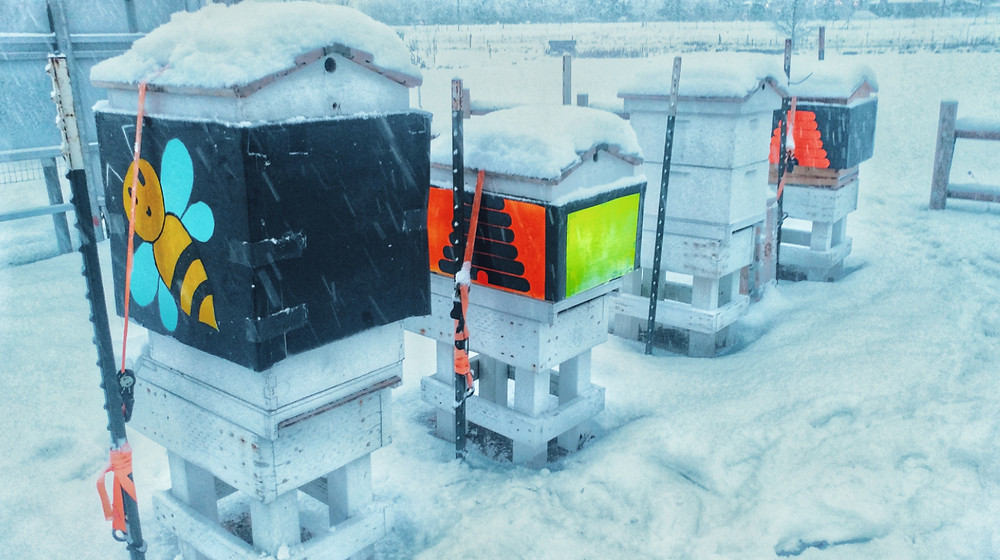
The Problem to the Solution of Winter Moisture
When you ask ten beekeepers and get one answer, something is wrong. Most seem to agree that winter condensation kills colonies. The warning survives on speculation and hearsay rather than direct obser
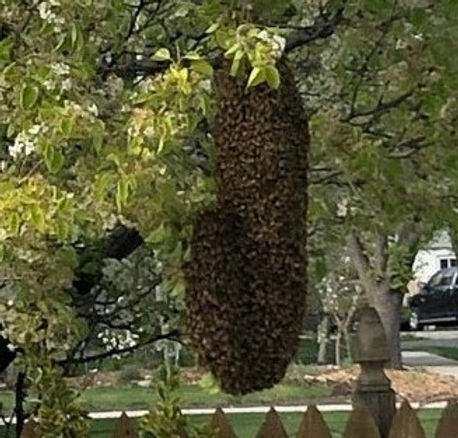
Have They Swarmed?
It takes less than nine days for a colony to produce a capped queen cell, so one inspection per week in the springtime is enough to prevent your bees from swarming. An inspection every two weeks is en

Swarm Prevention and Beginner Splits
SWARM PREVENTION (REPRODUCTIVE GUIDANCE)
How to Drastically Reduce Colony Exposure to Pesticides
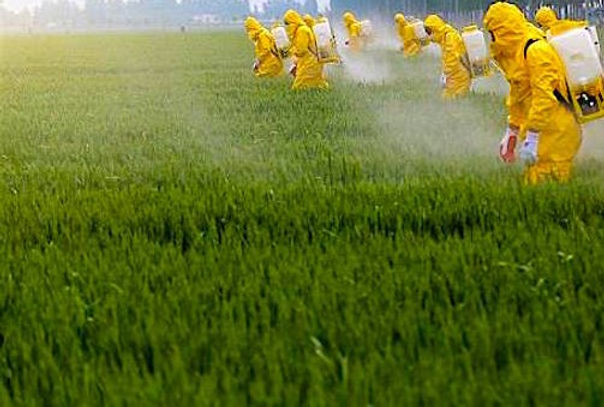
The contribution from pesticides on colony loss has proven difficult to quantify, because exposure does not typically result in sudden death of an entire colony. It is far more likely to cause subleth
Life After Dearth: Summer Management for Winter Survival
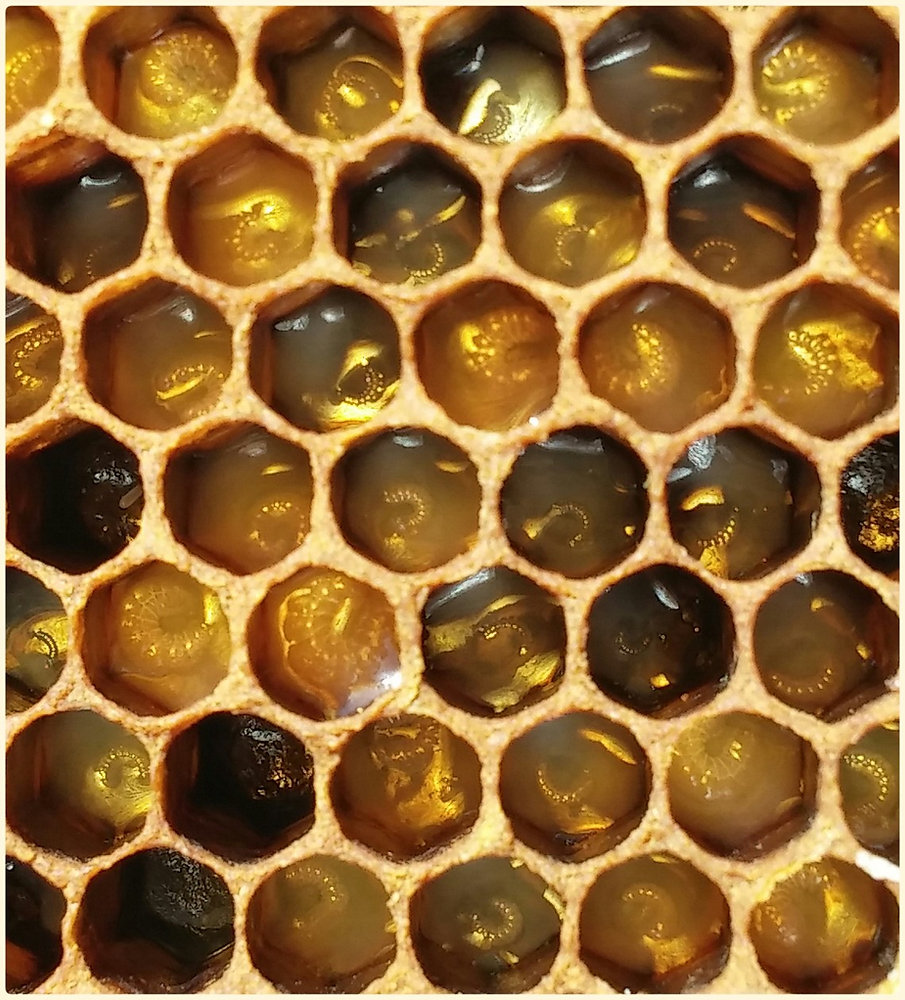
As summer starts to wind down, the colony must begin producing bees that have a lifespan of five months, rather than five weeks. Understand the process that results in development of the winter cluste
The Desire to Remain Queenless
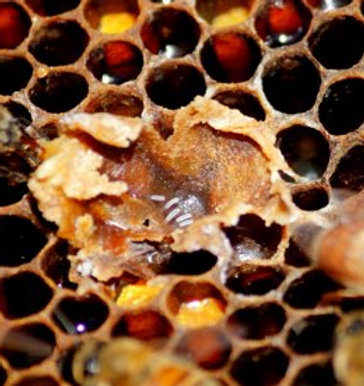
From hieroglyphics to higher priests, parliaments and charlatans, the beehive has represented an ideal society, one in which all members work harmoniously together for the greater good of the communit

How to Vaccinate Your Bees
Soon will come the time to split hives. Beekeepers must decide between allowing the colony to raise a new queen or adding a mated queen from a breeder. In deciding which better serves your purpose, pl

A Pollen Foraging Behavior
A new era in breeding honey bees began in the 1950’s when artificial insemination became a practical option. Managed crop pollination was in its infancy, and for the next fifty years selection was mad

Empty Hive: Why They Left and Where They Went
Colony loss is a process rather than an event, and it often goes unnoticed. An empty hive can be the first indication of a problem. Honey bees are masters of adaptation and extremely resilient. They r
Harvesting Uncapped Honey in Utah
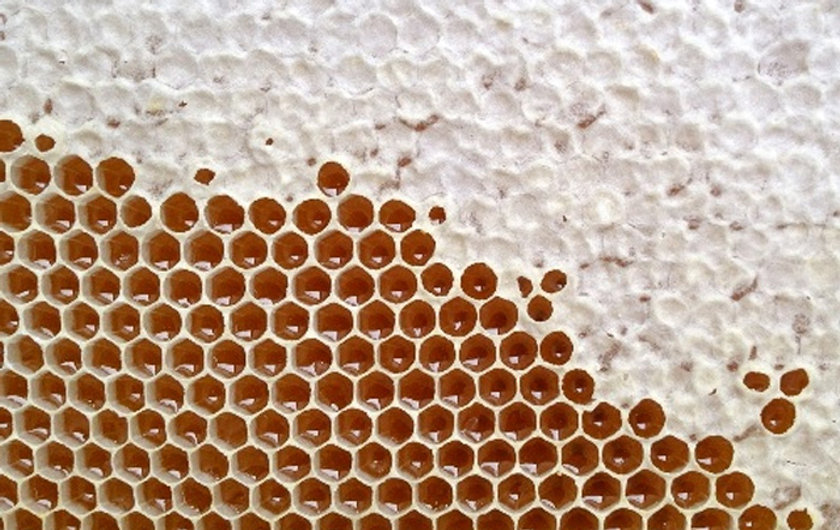
Most beekeepers are aware that honey is hygroscopic, which describes a material that absorbs moisture from the surrounding air. More accurately, it exchanges moisture with the surrounding air. Water m
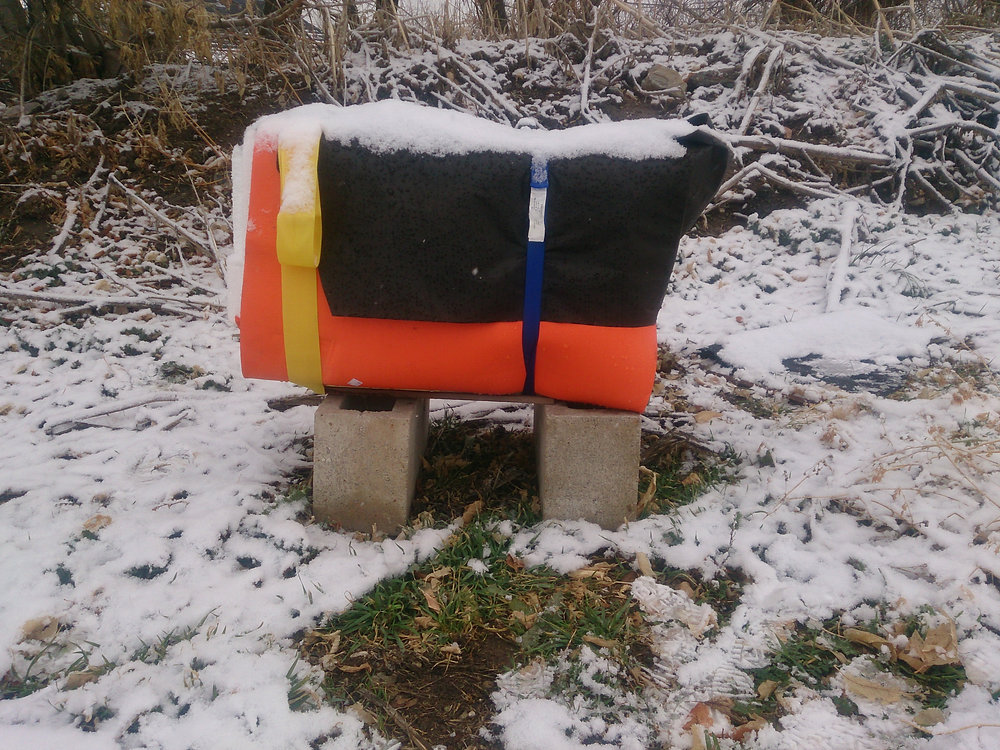
Overwintering Mythods
At issue is heated air that escapes the cluster and rises to the top of the hive. Upon contact with the cold hive ceiling the air cools and releases moisture. Condensed water now threatens to drip bac
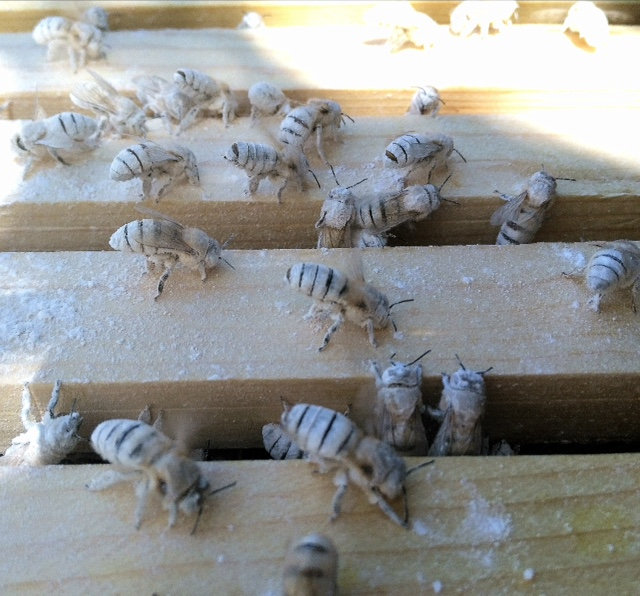
Tricked or Treat: Epic Fail of the Sugar Shake
The unreliability of sticky boards and the dead bee effect of an alcohol wash has beekeepers doing the sugar shake. It works by tossing a half cup of bees (approx. 300) in a jar of powdered sugar to d
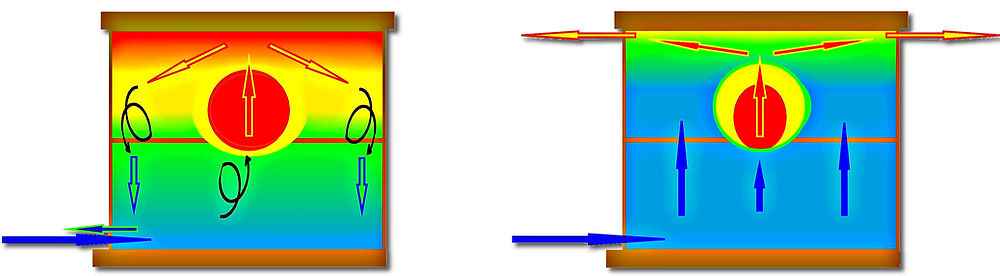
Ventilation Nation
Ask ten beekeepers how to ventilate the hive in winter, get one answer. Something’s not right. Does adding ventilation holes at the top of the hive overcompensate for moisture? Having evolved in the w

Insulation Pontification
Some wrap their hives for winter, some don’t. Bees can survive either way, but there may be a difference in honey consumed, brood reared and bees lost (Owens 1971). It’s been said that cold doesn’t ki
N x .0022 = Honey in the Bank
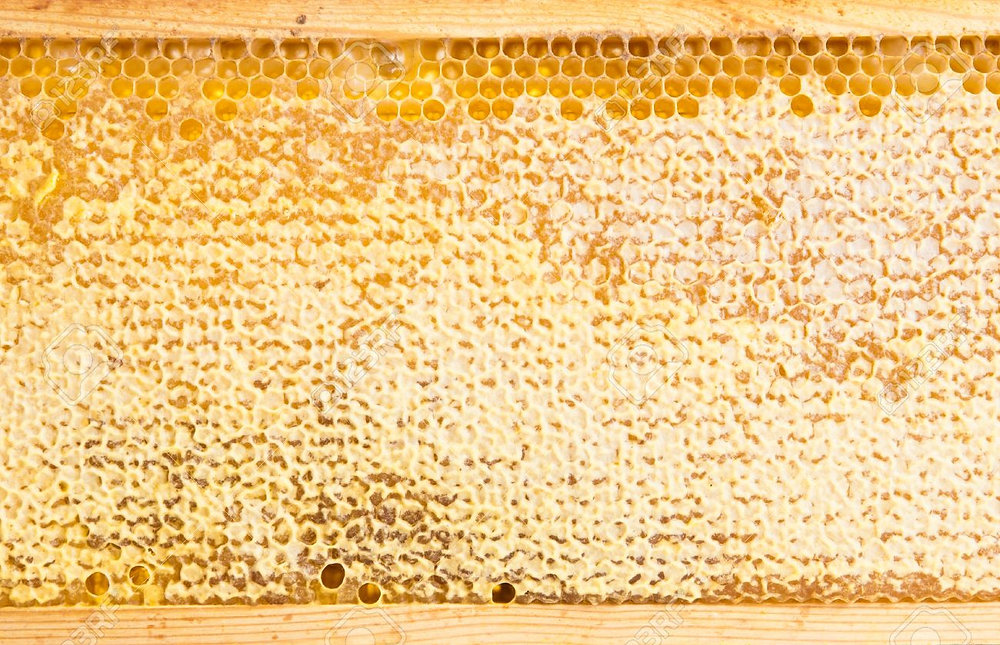
How much honey does your colony need to survive winter? This question is asked often, and the answer typically falls in the range of 80-100 pounds. This is a safe answer, because it will satisfy the n
Here Nosema, See Nosema: Apiculture’s Silent Killer
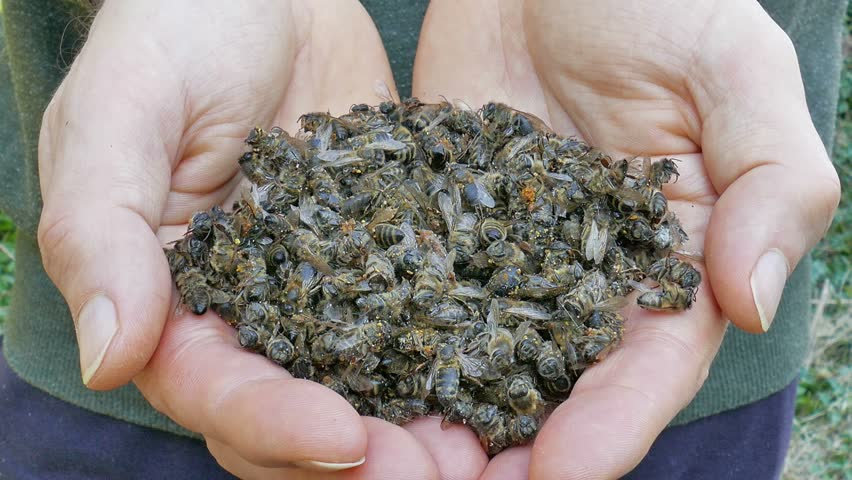
Lost in the epic battle against Varroa is another deadly parasite of honey bees with a global distribution and high occurrence in local apiaries. Nosema apis has largely given way to Nosema ceranae, a
Win in Winter
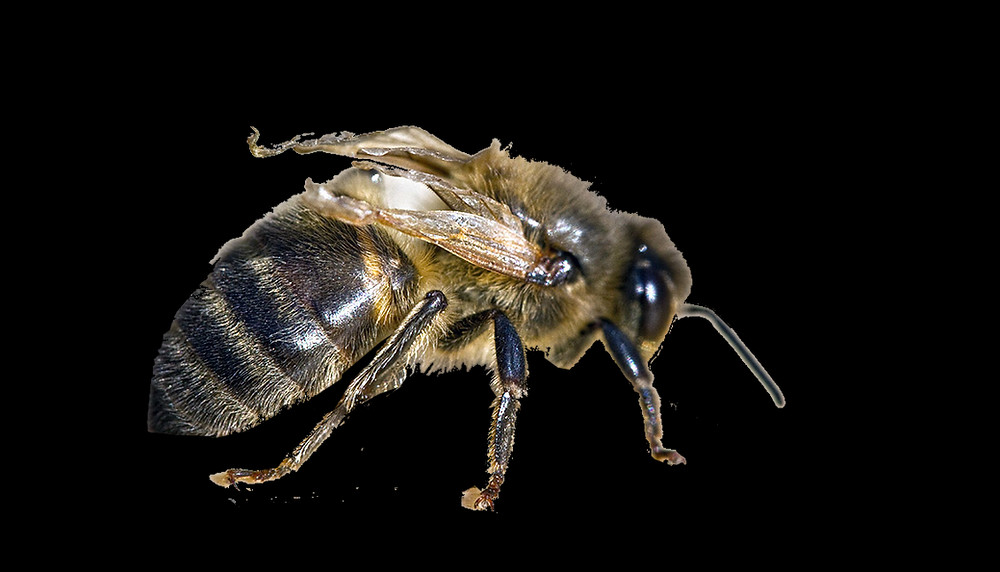
Not surprisingly, the bees that carry the colony to spring are “winter” bees. Their increased longevity is the result of changes in their physiology, such as a higher protein content and lower levels
Super in the Sun: To Shade, Touche
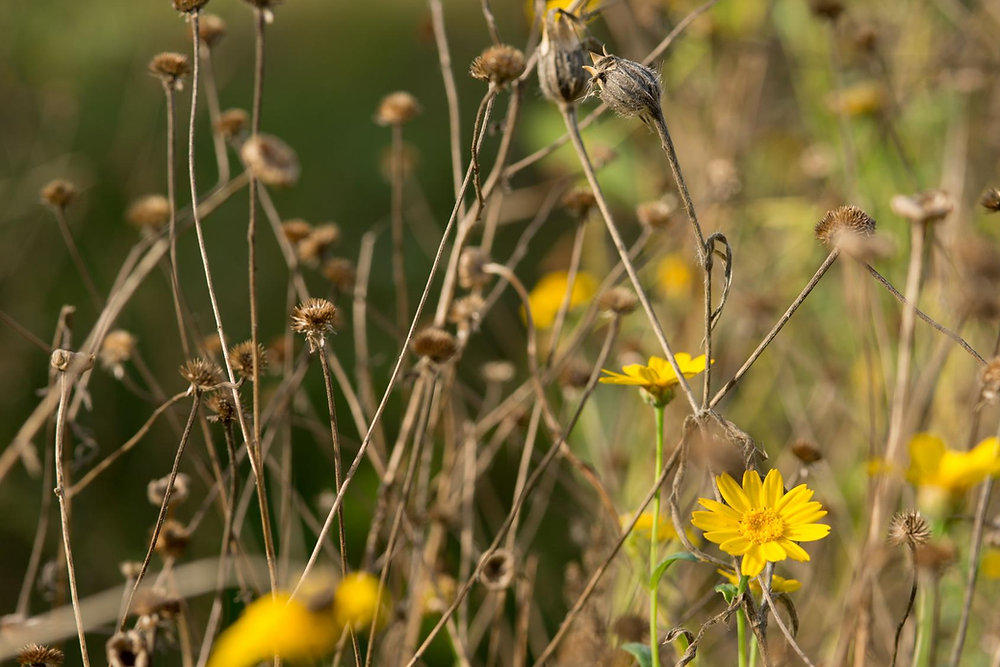
It’s the middle of summer, and if your bees aren’t filling the honey super, it’s probably not because they hate plastic or prefer yellow over black foundation. They probably just aren’t finding enough
Effect of Outside Temperature on Honey Consumption
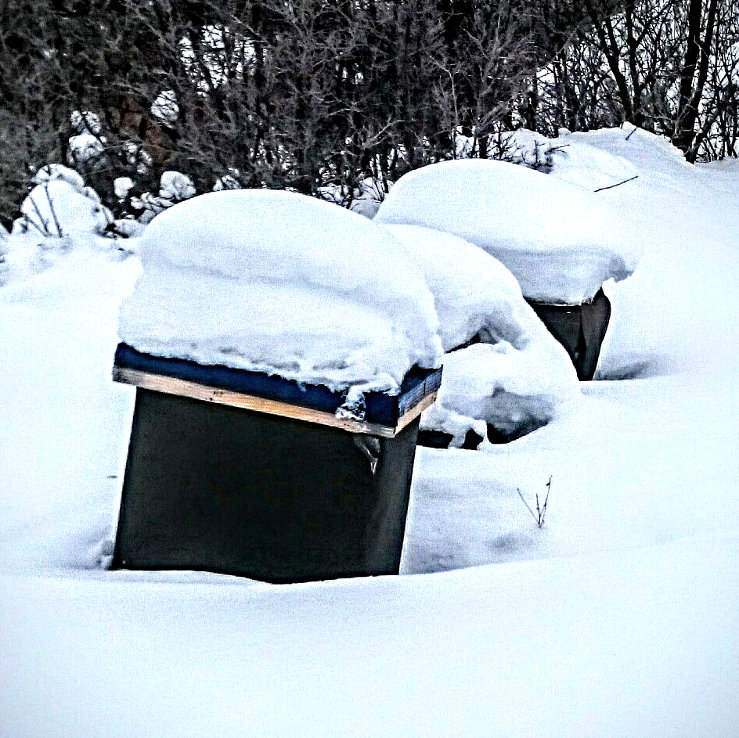
Some of my hives got a late start last season, and some of them I started late. Despite fall feeding, many were a little light going into winter. It's been cold lately, but temperatures are forecast t